

The Best Place for a Worm Bin, Indoors and Outdoors
Temperature, light, vibration and convenience all matter. How to choose the best place for a worm bin inside your home, in a garage or shed, or outdoors in the garden.
Plain-English guides for turning kitchen scraps into worm castings, the richest thing you can give your vegetable beds and houseplants.
People often ask about

Six short guides take you from an empty box to a working bin. We'll remember which ones you've read.
Everything you need to set up a worm bin that works from day one, plus exactly what to do (and…
A cheap, reliable worm bin you can build in under an hour with two storage totes and a drill. Includes…
Cardboard, newspaper, coir, leaves, peat or manure? A side-by-side look at worm bin bedding materials, how to prepare them and…
The right starting number depends on your bin's surface area and how much food you produce. Here's how to work…
A practical list of what to feed composting worms, what to feed sparingly and what to keep out, with tips…
A week-by-week feeding plan for new and established worm bins, plus the signs that tell you to feed more or…
Pick what you're seeing. You'll get the quick fix here and the full guide one click away.
Holding a scrap and not sure? Type it in for an instant answer, with the reason and a tip.
See the full printable chartPopular checks:
Fill about two-thirds of the depth, half coir and half shredded cardboard. The bedding should feel like a wrung-out sponge. These are rough starting numbers; adjust as your bin settles.
Worms slow right down below 10 °C. A few changes now keep them eating through winter.
Filter by where you are with your bin.
Temperature, light, vibration and convenience all matter. How to choose the best place for a worm bin inside your home, in a garage or shed, or outdoors in the garden.





















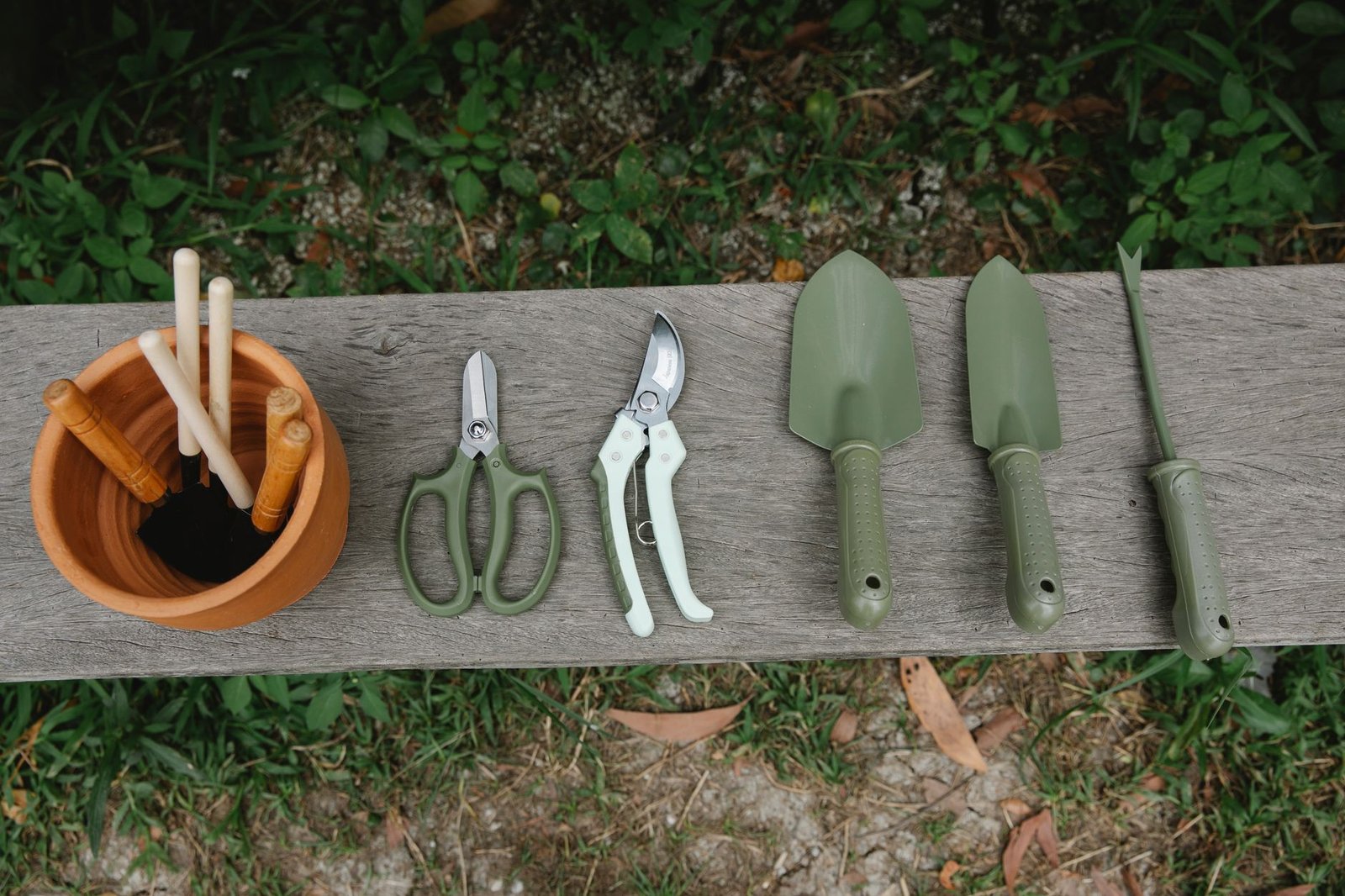


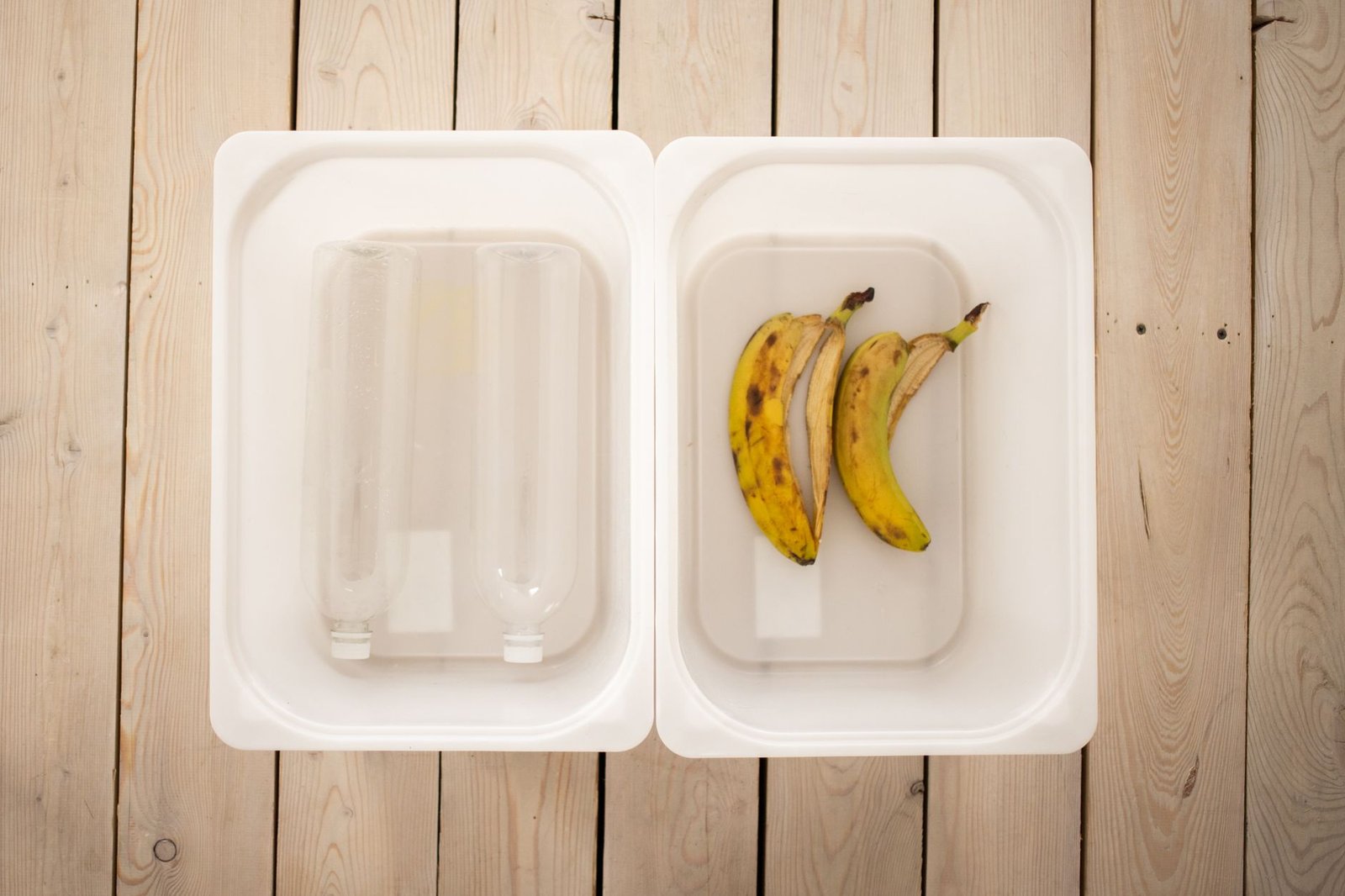
Three things that make a real difference. Everything else in a worm bin can be made from what's in your recycling.
For anyone who wants easy harvests
Worms move up into the next tray on their own, so you lift off finished castings instead of sorting them by hand.
For setting up and refreshing bedding
Holds moisture evenly and doesn't compact. A 650 g brick expands to roughly 8–9 liters of bedding.
For outdoor bins and hot climates
The fastest way to catch a bin that's overheating in summer or getting too cold in winter.